
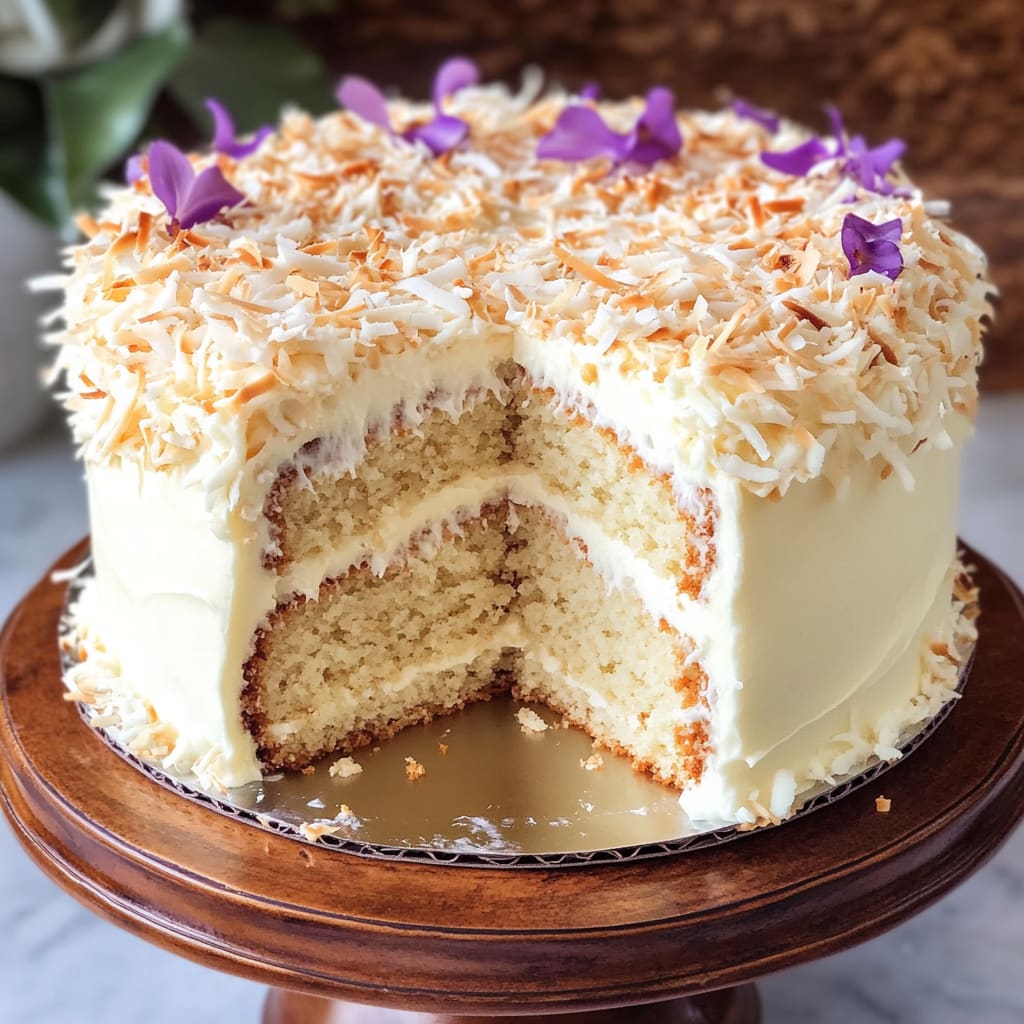
Imagine sinking your fork into a cloud-like, moist coconut cake with delicate layers of tropical flavor in every bite. This heavenly dessert combines buttery vanilla cake infused with real coconut, all wrapped in a dreamy cream cheese frosting that’s been generously sprinkled with sweet coconut flakes. The coconut cake recipe I’m sharing today isn’t just another dessert—it’s a celebration on a plate that transports you straight to a tropical paradise. You’ll learn how to create bakery-quality coconut cake layers, master the perfect coconut-infused frosting, and assemble a showstopping dessert that will have everyone begging for seconds.
Why You’ll Love This Recipe
This coconut cake stands head and shoulders above the rest for several compelling reasons. First, it achieves the perfect balance of moisture and texture—tender and soft without being soggy or dense. The contrast between the velvety cake crumb and the slight chew of coconut flakes creates an irresistible mouthfeel that store-bought versions simply can’t match.
What makes this coconut cake recipe truly special is its authentic flavor. Instead of relying on artificial extracts, we use a combination of coconut milk, coconut cream, and real coconut flakes for a genuinely tropical taste that permeates every layer. The tangy cream cheese frosting complements the sweetness perfectly, creating a harmonious flavor profile that’s sophisticated yet comforting.
Perhaps best of all, despite its impressive appearance, this cake is surprisingly straightforward to make. The batter comes together in one bowl, and the decorating technique is forgiving enough for beginners while still yielding professional-looking results. Whether you’re baking for a special occasion or simply craving something spectacular, this coconut cake delivers every time.
Ingredients
For the Coconut Cake:
- 3 cups (375g) all-purpose flour, sifted
- 2 cups (400g) granulated sugar
- 1 teaspoon baking powder
- ½ teaspoon baking soda
- ½ teaspoon salt
- 1 cup (226g) unsalted butter, softened
- 4 large eggs, room temperature
- 1 cup (240ml) coconut milk (not cream of coconut)
- ¼ cup (60ml) vegetable oil
- 2 teaspoons vanilla extract
- 1 teaspoon coconut extract
- 1 cup (80g) sweetened coconut flakes
For the Coconut Cream Cheese Frosting:
- 16 oz (450g) cream cheese, softened
- ½ cup (113g) unsalted butter, softened
- 4 cups (480g) powdered sugar, sifted
- 2 teaspoons vanilla extract
- ½ teaspoon coconut extract
- 2 tablespoons coconut cream
- 2½ cups (200g) sweetened coconut flakes for coating
The foundation of this coconut cake is high-quality coconut milk—look for brands without additives for the purest flavor. Sweetened coconut flakes provide texture and visual appeal, while a touch of coconut extract amplifies the tropical notes without overwhelming the delicate vanilla base.
Pro Tips
Master the Mixing Method
The secret to a perfectly tender coconut cake lies in the mixing technique. Cream your butter and sugar until truly light and fluffy—this typically takes 3-5 minutes, not the 1 minute many bakers allow. This extended creaming incorporates air, resulting in a cake with exceptional lift and texture. When adding dry ingredients, mix just until combined; overmixing activates gluten and leads to a tough cake.
Toast Your Coconut Flakes
For an elevated flavor profile, toast two-thirds of your coconut flakes before adding them to the batter and using them as decoration. Spread them on a baking sheet and bake at 325°F (165°C) for 5-8 minutes, stirring halfway through, until golden brown. This simple step adds a nutty dimension that transforms an ordinary coconut cake recipe into something extraordinary.
Temperature Matters
Ensure all refrigerated ingredients—butter, eggs, coconut milk, and cream cheese—reach room temperature before beginning. Cold ingredients don’t incorporate properly, resulting in a lumpy batter and dense cake. For quicker tempering, place eggs in warm water for 5 minutes and cut butter and cream cheese into small cubes. This attention to detail makes a remarkable difference in the final texture of your coconut cake.
Instructions
Step 1: Prepare Your Baking Pans
Preheat your oven to 350°F (175°C). Grease and flour two 9-inch round cake pans, then line the bottoms with parchment paper. For extra insurance against sticking, spray the parchment lightly with cooking spray. This careful preparation ensures your coconut cake layers will release perfectly after baking.
Step 2: Mix Dry Ingredients
In a medium bowl, whisk together the flour, baking powder, baking soda, and salt until well combined. This even distribution of leavening agents ensures your cake will rise uniformly, creating that professional bakery look. Set this mixture aside while you prepare the wet ingredients.
Step 3: Cream Butter and Sugar
In a large mixing bowl, beat the softened butter and granulated sugar with an electric mixer on medium-high speed for 4-5 minutes until remarkably light and fluffy. The mixture should nearly double in volume and turn pale yellow. This step is crucial for incorporating air into your coconut cake recipe, resulting in a tender crumb.
Step 4: Add Eggs and Flavorings
Add eggs one at a time, beating well after each addition. Pour in the vanilla and coconut extracts, then beat until combined. The mixture may look slightly curdled at this point—that’s perfectly normal and will smooth out once you add the dry ingredients.
Step 5: Alternate Wet and Dry Ingredients
With the mixer on low speed, gradually add the dry ingredients in three parts, alternating with the coconut milk and vegetable oil, beginning and ending with the dry ingredients. Mix just until each addition is incorporated—overmixing now will develop gluten and toughen your cake.
Step 6: Fold in Coconut
Gently fold in the cup of coconut flakes using a rubber spatula. This folding technique preserves the air you’ve incorporated during the creaming process, ensuring your coconut cake stays light and fluffy.
Step 7: Bake the Cake
Divide the batter evenly between your prepared pans and smooth the tops with an offset spatula. Bake for 25-30 minutes, or until a toothpick inserted in the center comes out clean or with a few moist crumbs. Avoid opening the oven door during the first 20 minutes of baking to prevent your cake from sinking.
Step 8: Cool Completely
Allow the cakes to cool in their pans for 15 minutes before turning them out onto wire racks to cool completely. For the best texture and easier frosting, wrap the cooled cake layers in plastic wrap and refrigerate for at least one hour or overnight.
Step 9: Make the Frosting
Beat the softened cream cheese and butter until smooth and fluffy, about 3 minutes. Gradually add the sifted powdered sugar, vanilla and coconut extracts, and coconut cream. Continue beating until the frosting is light and spreadable. This cream cheese frosting complements the coconut cake perfectly with its subtle tanginess.
Step 10: Assemble and Decorate
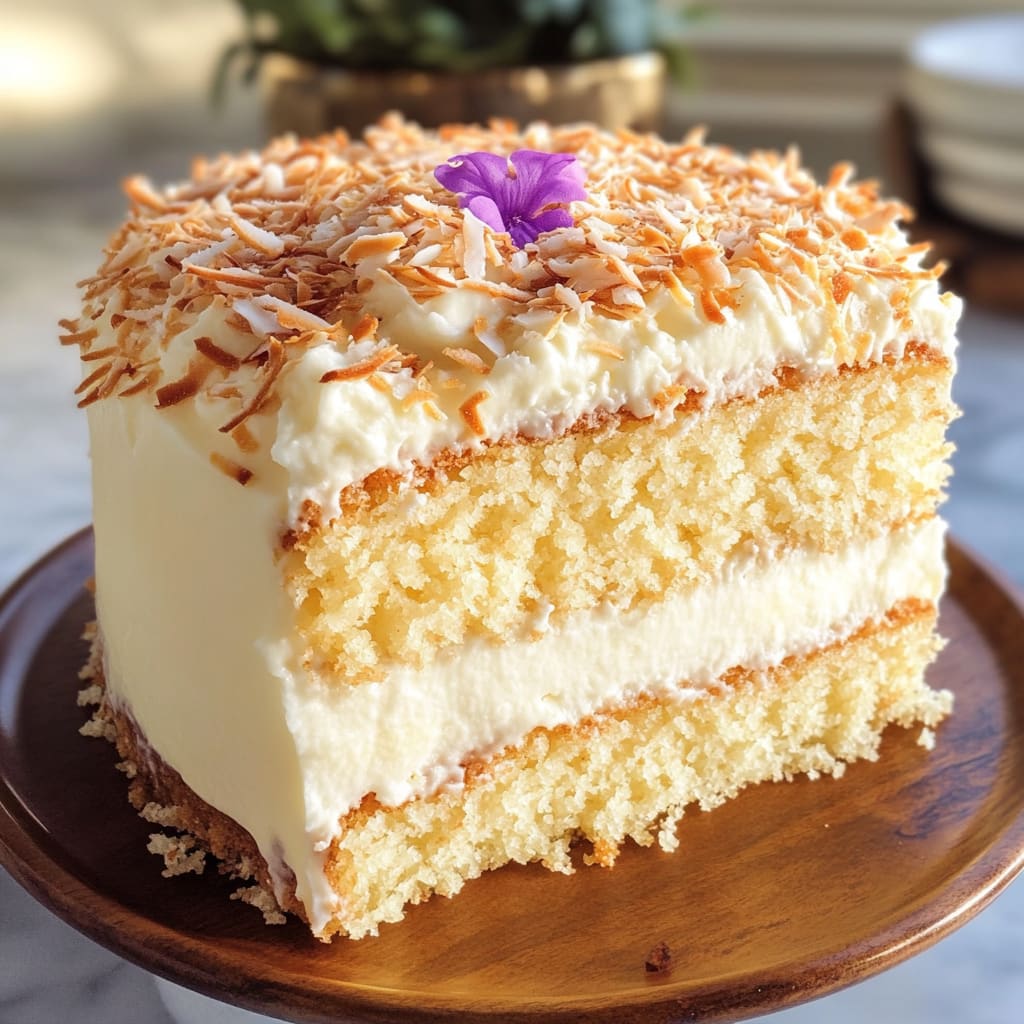
Place one cake layer on your serving plate and spread with about 1 cup of frosting. Top with the second layer and frost the entire cake with the remaining frosting. Gently press the coconut flakes onto the sides and top of the cake for that classic coconut cake appearance. For the most professional look, place your hand under the cake stand and rotate it while pressing the coconut onto the sides.
Variations
Coconut Pineapple Cake
Transform your coconut cake recipe into a tropical masterpiece by adding a pineapple filling between the layers. Combine 1 cup of crushed pineapple (well-drained) with 2 tablespoons of sugar and 1 tablespoon of cornstarch in a saucepan. Cook over medium heat until thickened, then cool completely before spreading between cake layers. The bright, tangy pineapple creates a delicious contrast to the sweet coconut.
Chocolate Coconut Cake
For chocolate lovers, add ⅓ cup of high-quality cocoa powder to the dry ingredients and reduce the flour by the same amount. The rich chocolate flavor pairs surprisingly well with coconut, creating a sophisticated flavor combination. Top your frosted coconut cake with chocolate shavings mixed with toasted coconut for an elegant finishing touch.
Coconut Lime Cake
Add the zest of two limes to your cake batter and replace the vanilla extract in the frosting with 2 tablespoons of fresh lime juice. This citrus twist brightens the tropical coconut flavor and creates a refreshing version of the classic coconut cake that’s perfect for summer gatherings.
Storage and Serving
Your finished coconut cake will stay fresh at room temperature, covered, for up to 3 days. For longer storage, refrigerate for up to a week, but always bring slices to room temperature before serving to allow the flavors and texture to fully develop. The cake also freezes beautifully for up to 3 months—slice it first, then wrap individual pieces in plastic wrap and foil for easy defrosting whenever a coconut craving strikes.
For an elevated serving experience, pair slices of coconut cake with fresh berries—particularly raspberries or sliced strawberries, which provide a beautiful color contrast and tangy counterpoint to the sweet cake. A small scoop of vanilla ice cream or a dollop of lightly sweetened whipped cream makes an indulgent accompaniment.
For special occasions, garnish each serving with edible flowers, mint leaves, or a light dusting of powdered sugar. A drizzle of warm caramel sauce transforms this coconut cake recipe into an extraordinary dessert worthy of the finest restaurant.
FAQs
Can I use coconut cream instead of coconut milk in this recipe?
While coconut cream has a more concentrated flavor, its higher fat content will change the cake’s texture. If you only have coconut cream, dilute it with water to reach the consistency of coconut milk before measuring for your coconut cake recipe.
Why did my cake layers sink in the middle?
Sinking typically occurs from opening the oven door too early, undermixing the batter, or using expired leavening agents. Ensure your baking powder is fresh and avoid opening the oven during the first 20 minutes of baking your coconut cake.
Can I make this cake in advance for a party?
Absolutely! The cake layers can be baked up to 3 days ahead and wrapped well in plastic wrap. The assembled coconut cake actually improves with a day of rest as the flavors meld together.
Is there a dairy-free alternative for the frosting?
Yes, you can substitute dairy-free cream cheese and plant-based butter in equal amounts for the frosting. The texture may be slightly different, but the flavor will still complement your coconut cake beautifully.
How do I prevent the coconut flakes from falling off the sides?
Press the coconut flakes onto freshly applied frosting while it’s still tacky. For extra insurance, refrigerate your frosted cake for 20 minutes before applying the coconut, then press firmly but gently to adhere the flakes to the slightly firmed frosting.
Conclusion
This coconut cake is comfort food at its finest — a slice of tropical paradise that brings sunshine to even the gloomiest day. With its pillowy-soft layers, heavenly coconut flavor, and cloud-like frosting, it’s the kind of dessert that turns ordinary moments into celebrations. Whether you’re serving it for a special birthday, holiday gathering, or simply because you deserve something extraordinary, this coconut cake delivers pure joy with every heavenly bite. Master this recipe, and you’ll have a signature dessert that friends and family will request time and again.
Print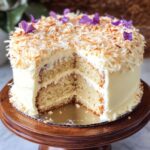
Coconut Cake Recipe
Description
Coconut Cake: Indulge in a moist, coconut-infused delight with creamy frosting—perfect for quick, crowd-pleasing treats!
Ingredients
- Flour
- Sugar
- Baking powder
- Baking soda
- Salt
- Butter
- Eggs
- Coconut milk
- Vegetable oil
- Vanilla extract
- Coconut extract
- Sweetened coconut flakes
- Cream cheese
- Powdered sugar
- Coconut cream
- Sweetened coconut flakes (for coating)
Instructions
- Step 1: Prepare Your Baking Pans Preheat your oven to 350°F (175°C). Grease and flour two 9-inch round cake pans, then line the bottoms with parchment paper. For extra insurance against sticking, spray the parchment lightly with cooking spray. This careful preparation ensures your coconut cake layers will release perfectly after baking.
- Step 2: Mix Dry Ingredients In a medium bowl, whisk together the flour, baking powder, baking soda, and salt until well combined. This even distribution of leavening agents ensures your cake will rise uniformly, creating that professional bakery look. Set this mixture aside while you prepare the wet ingredients.
- Step 3: Cream Butter and Sugar In a large mixing bowl, beat the softened butter and granulated sugar with an electric mixer on medium-high speed for 4-5 minutes until remarkably light and fluffy. The mixture should nearly double in volume and turn pale yellow. This step is crucial for incorporating air into your coconut cake recipe, resulting in a tender crumb.
- Step 4: Add Eggs and Flavorings Add eggs one at a time, beating well after each addition. Pour in the vanilla and coconut extracts, then beat until combined. The mixture may look slightly curdled at this point—that’s perfectly normal and will smooth out once you add the dry ingredients.
- Step 5: Alternate Wet and Dry Ingredients With the mixer on low speed, gradually add the dry ingredients in three parts, alternating with the coconut milk and vegetable oil, beginning and ending with the dry ingredients. Mix just until each addition is incorporated—overmixing now will develop gluten and toughen your cake.
- Step 6: Fold in Coconut Gently fold in the cup of coconut flakes using a rubber spatula. This folding technique preserves the air you’ve incorporated during the creaming process, ensuring your coconut cake stays light and fluffy.
- Step 7: Bake the Cake Divide the batter evenly between your prepared pans and smooth the tops with an offset spatula. Bake for 25-30 minutes, or until a toothpick inserted in the center comes out clean or with a few moist crumbs. Avoid opening the oven door during the first 20 minutes of baking to prevent your cake from sinking.
- Step 8: Cool Completely Allow the cakes to cool in their pans for 15 minutes before turning them out onto wire racks to cool completely. For the best texture and easier frosting, wrap the cooled cake layers in plastic wrap and refrigerate for at least one hour or overnight.
- Step 9: Make the Frosting Beat the softened cream cheese and butter until smooth and fluffy, about 3 minutes. Gradually add the sifted powdered sugar, vanilla and coconut extracts, and coconut cream. Continue beating until the frosting is light and spreadable. This cream cheese frosting complements the coconut cake perfectly with its subtle tanginess.
- Step 10: Assemble and Decorate Place one cake layer on your serving plate and spread with about 1 cup of frosting. Top with the second layer and frost the entire cake with the remaining frosting. Gently press the coconut flakes onto the sides and top of the cake for that classic coconut cake appearance. For the most professional look, place your hand under the cake stand and rotate it while pressing the coconut onto the sides.